Work
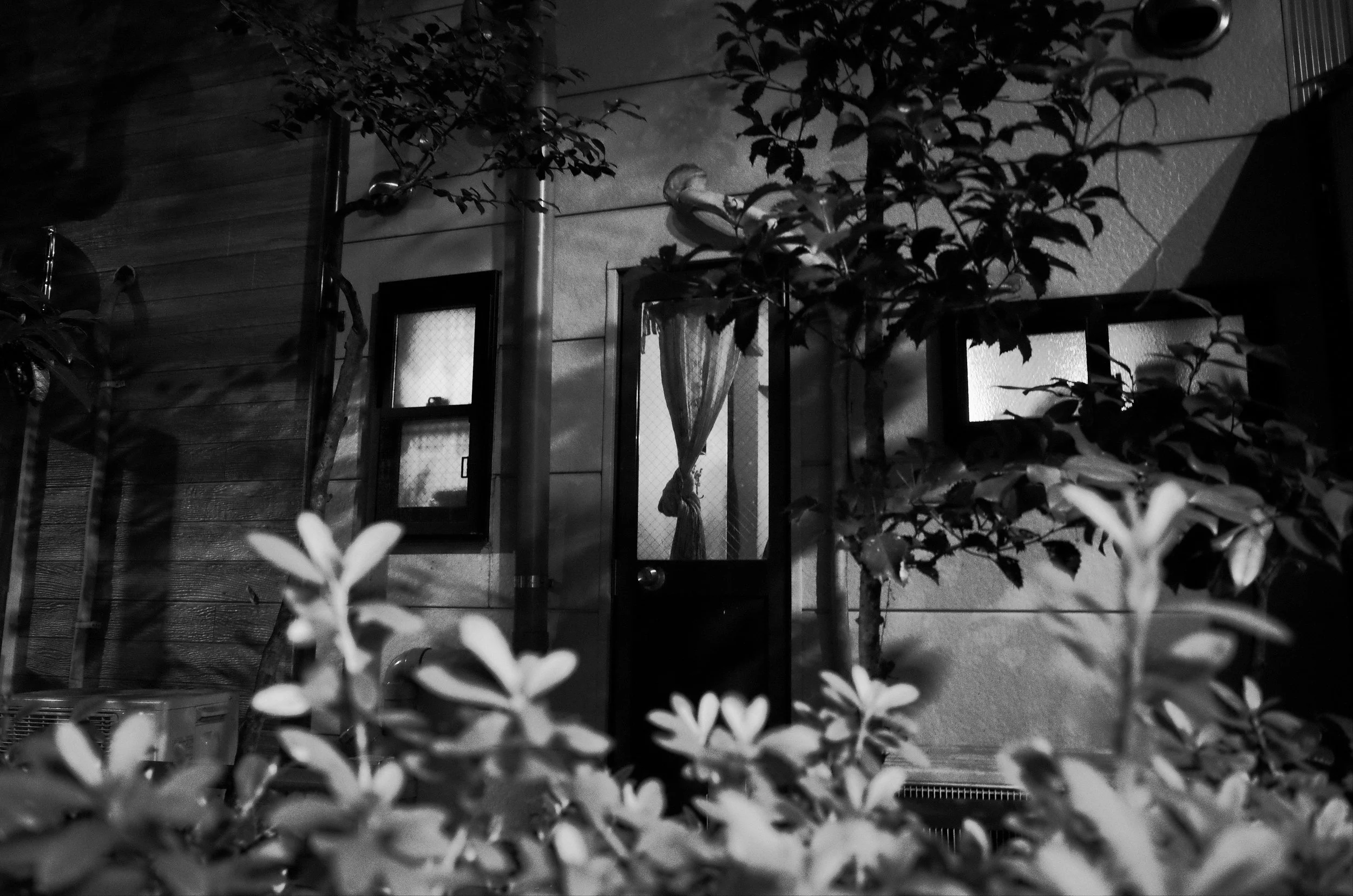
黄昏
Tasogare (黄昏) refers to the moment when day slips into evening, when light softens and forms become uncertain—literally, “the time when who is who can no longer be seen clearly.” My work is rooted in this threshold state, where clarity gives way to ambiguity and meaning resists fixed definition. 2024
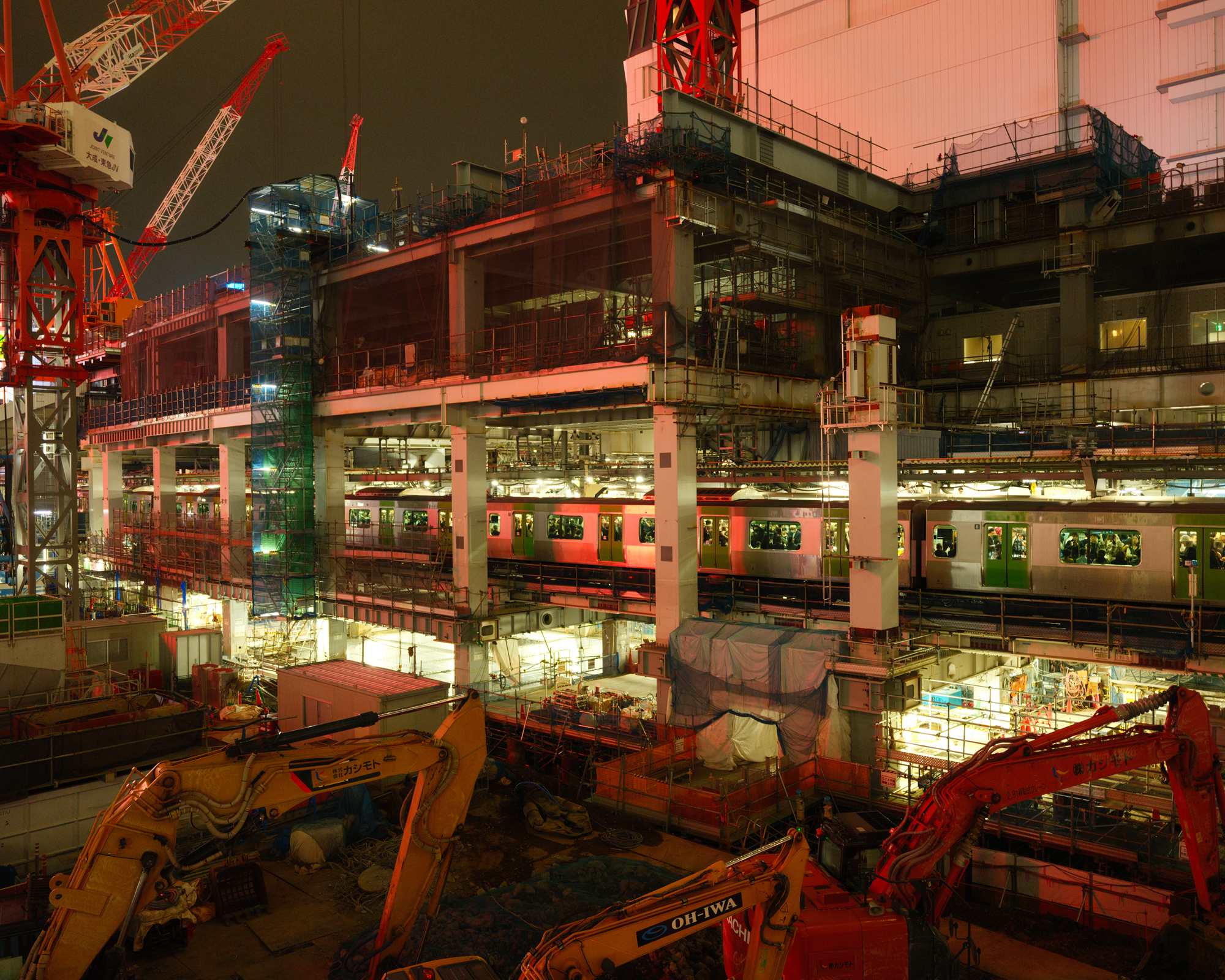
Japan
I began working in Japan in 2022 and teaching in 2024 - drawn to landscapes shaped by the quiet friction between tradition, stagnation, and contemporary life. Through photographs of streets, interiors, and peripheral spaces, the work traces how people move through environments marked by endurance rather than growth—where infrastructure, economy, ritual, and routine persist alongside subtle signs of adaptation. Attentive to Japan not as spectacle, but as a lived terrain where history remains active, and change unfolds slowly, often at the edges of visibility. 2022
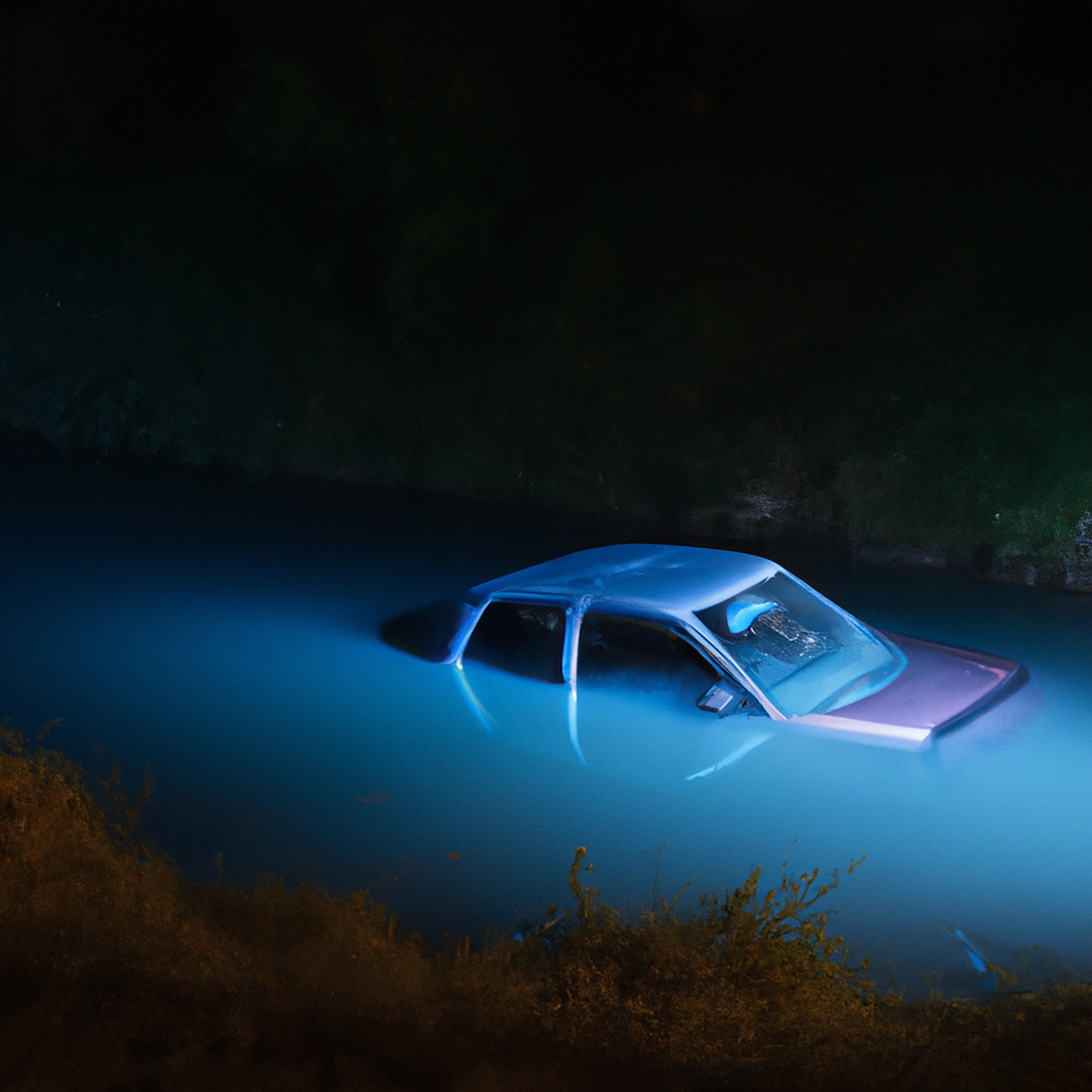
City of Roses
AI reconstructed crime scene reports from Portland, Oregon during the global pandemic. An exploration of camera-less photography and world-building where scenes and characters are fictional yet plausible in their veracity - sort of how I would also describe the use of early Al image generators as material to create photographs - fictional yet real. At times, the process functions as a simulation of semiotics where one or both players are lost in translation. I cannot help but be reminded of the Jean Baudrillard statement:
"Pretending, or dissimulating, leaves the principle of reality intact: the difference is always clear, it is simply masked, whereas simulation threatens the difference between the "true" and the "false," the "real" and the "imaginary." 2019-2020
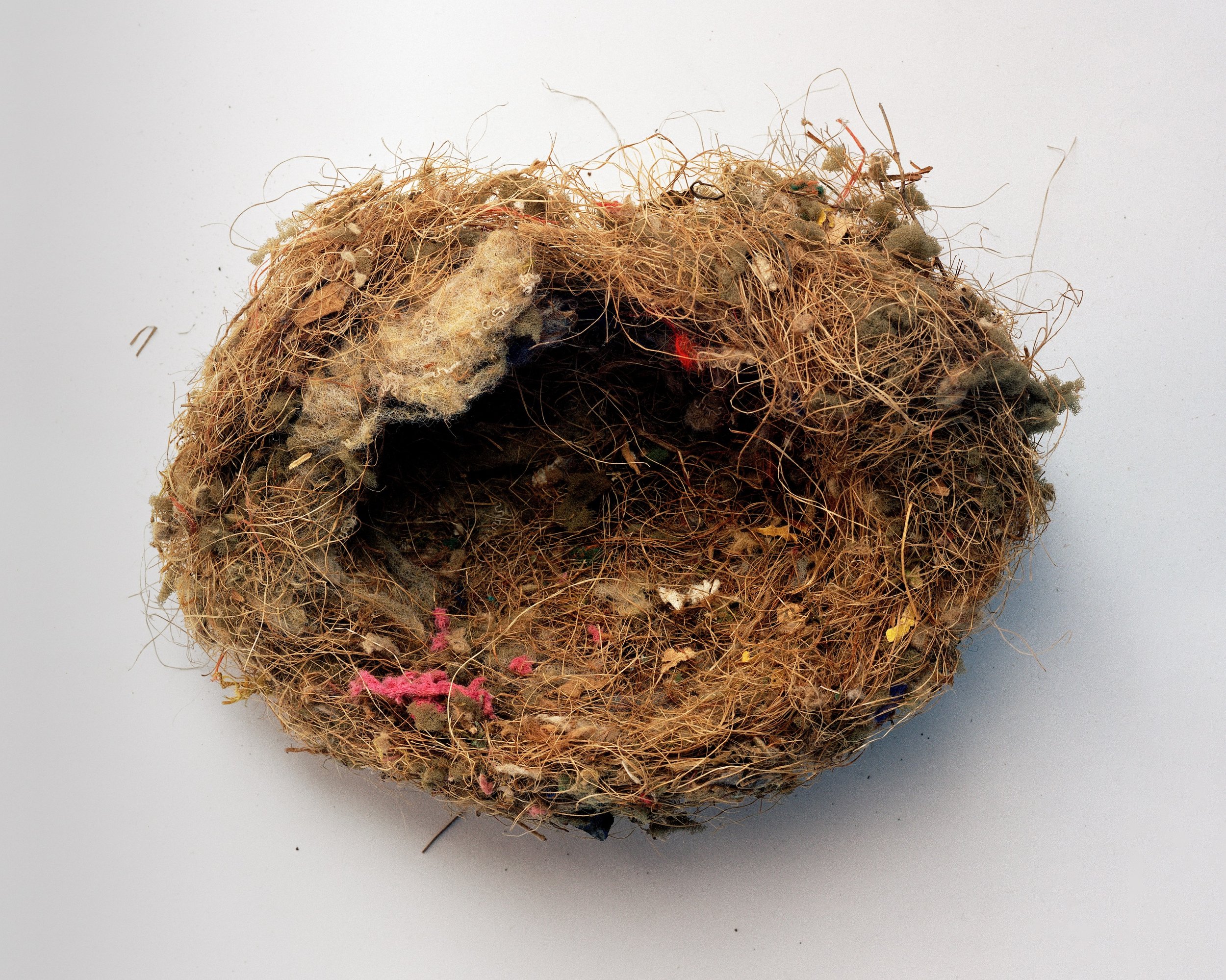
Homestead
Homestead is a portrait of the romanticized American landscape told through a collection from my extended family's original homestead site. Defined by a large ownership of land, Homestead looks perceptively at the appeals of the original American dream and its promise to those willing to commit themselves to a risky path of hard work, sacrifice, and hope for a better future. For my family, this included periods of boon, growth and prosperity. But it also came with generational change in needs, wants, and desires. What began as a story born of American sincerity and devotion eroded into a story of estrangement, loss, taxes and a trust. 2014
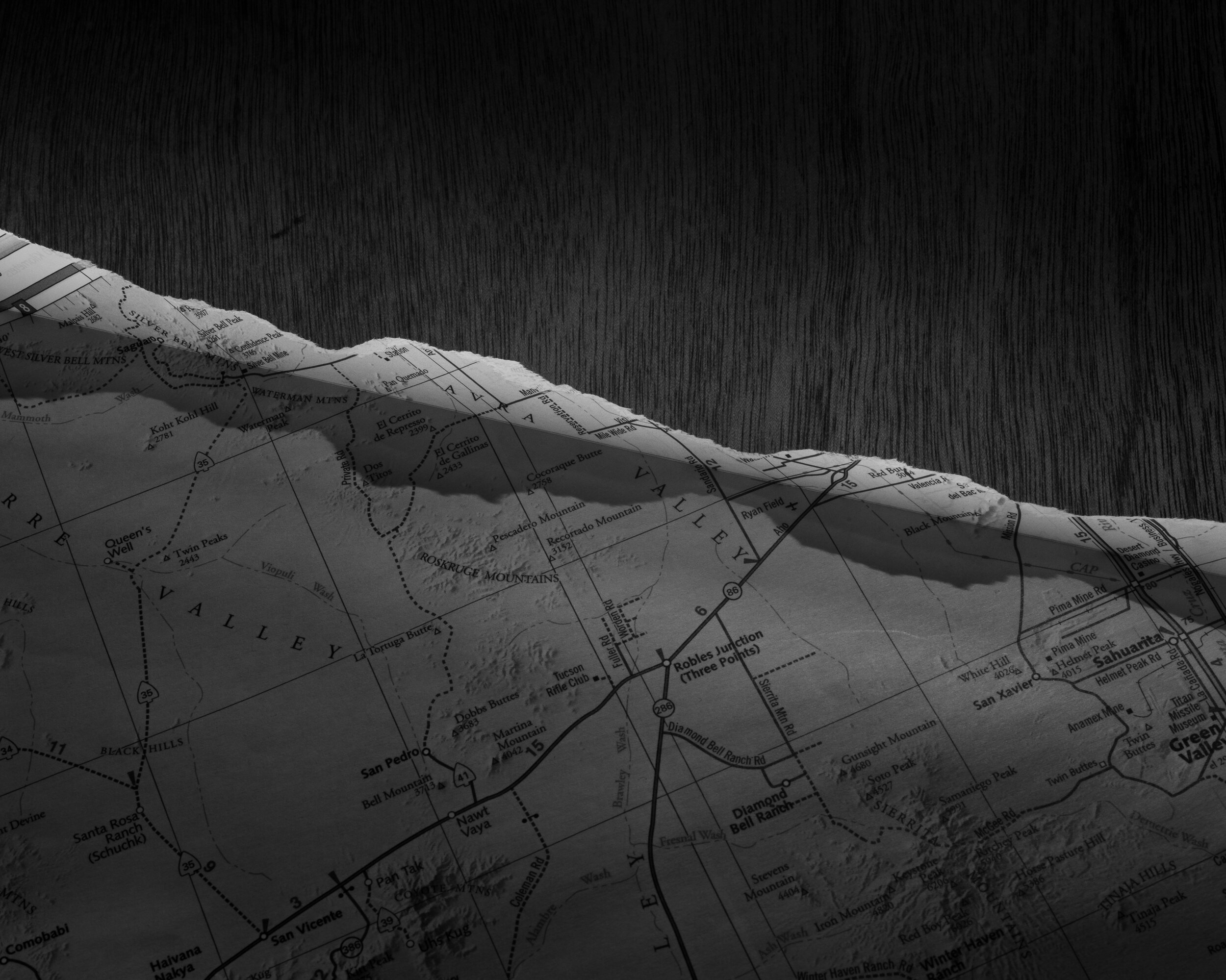
El Camino del Diablo
The vast line of a desert horizon, seemingly isotropic; forever expanding into the distance.
Geologists estimate that the Sonoran Desert has been accumulating for about two billion years. Today it occupies approximately 100,000 square miles, an area larger than Britain. This series is an abstract view of the immigration policy of "prevention through deterrence", a proposition that undocumented migrants undertake border crossings through increasingly remote areas, where hostile land and elements strategically impede passage. 2013

Minutemen
A pseudo portrait of armed U.S. civilian groups patrolling the Arizona/Mexico border as volunteer border patrol. Formed through social media platforms where groups such as the Arizona Border Recon, the Arizona State Militia and the Minutemen American Defense militia advertised recruitment and Sonoran Desert border locations. At the time, this project represented my desire to tell a story about early forms of online social media phenomena manifested within the landscape. This body of work includes a short form video and collected empty shotgun shells faded from the heat and sun of the hostile Sonoran Desert. 2011
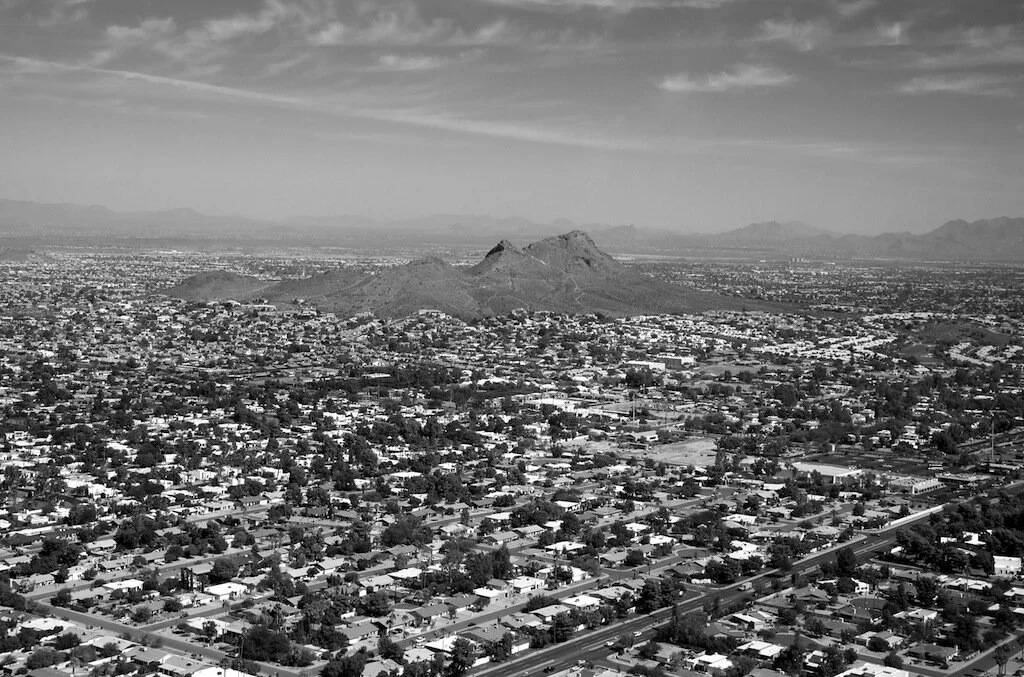
Sprawl: Phoenix From Above
Phoenix, Arizona has become the fifth-largest metropolitan area in the US; labeling it as one of the world's least sustainable cities. A commissioned body of work with the City of Phoenix, AZ.
Published in, City By Design: Phoenix: An Architectural Perspective of the Greater Phoenix Valley. 2009
Featured in Places Journal, Bird on Fire: Lessons from the World’s Least Sustainable City
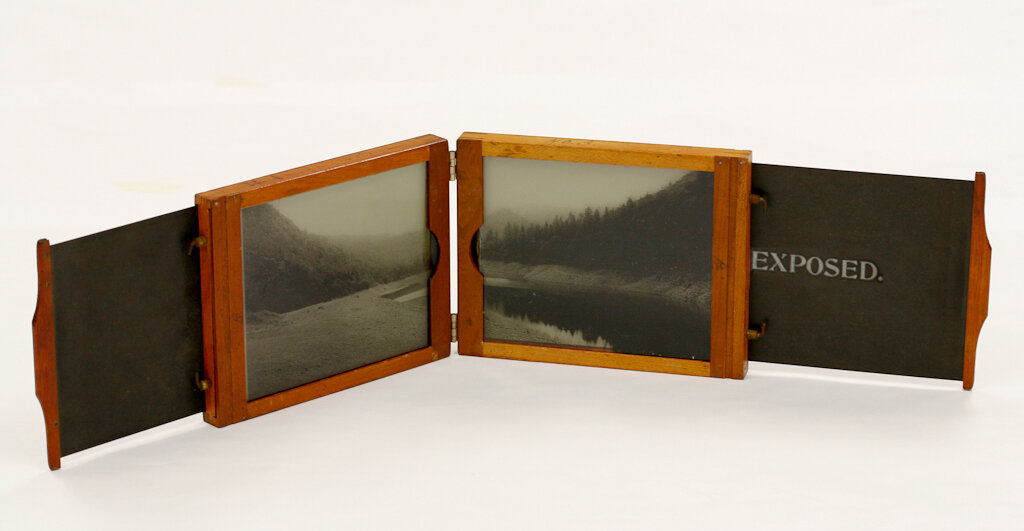
Exposed
Imagining topographic layers as slices in time, artifacts were collected along the deeply exposed banks of Shasta Lake Reservoir in CA. They remain evidence of boaters, campers, day-trippers, and the stark rise and fall of the reservoir’s water levels due to drought, fire, and power needs. Features a removable topographic map for artifact locations with exposed terrain elevations. 2010
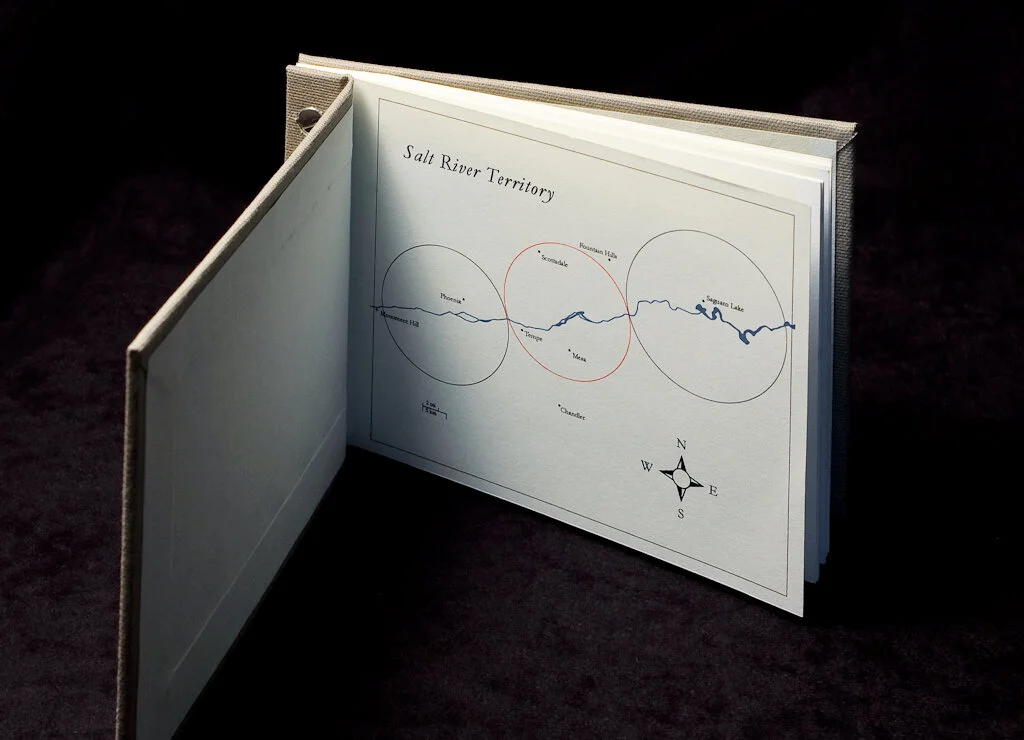
Postcards from the Salt River
As in early territory explorations where natural landscape forms such as rivers were used as guides, the course of an urban river was followed to explore its immediate physical transformations through wilderness, riparian and urban surroundings. Photographs made along this route are representative of the river’s transformative relationship to its occupied spaces and the relative inaccuracy maps have in describing this change. Using geo-tagged locations these functioning removable postcards serve as invitation for revisitation in the landscape. 2009
Dry Rivers
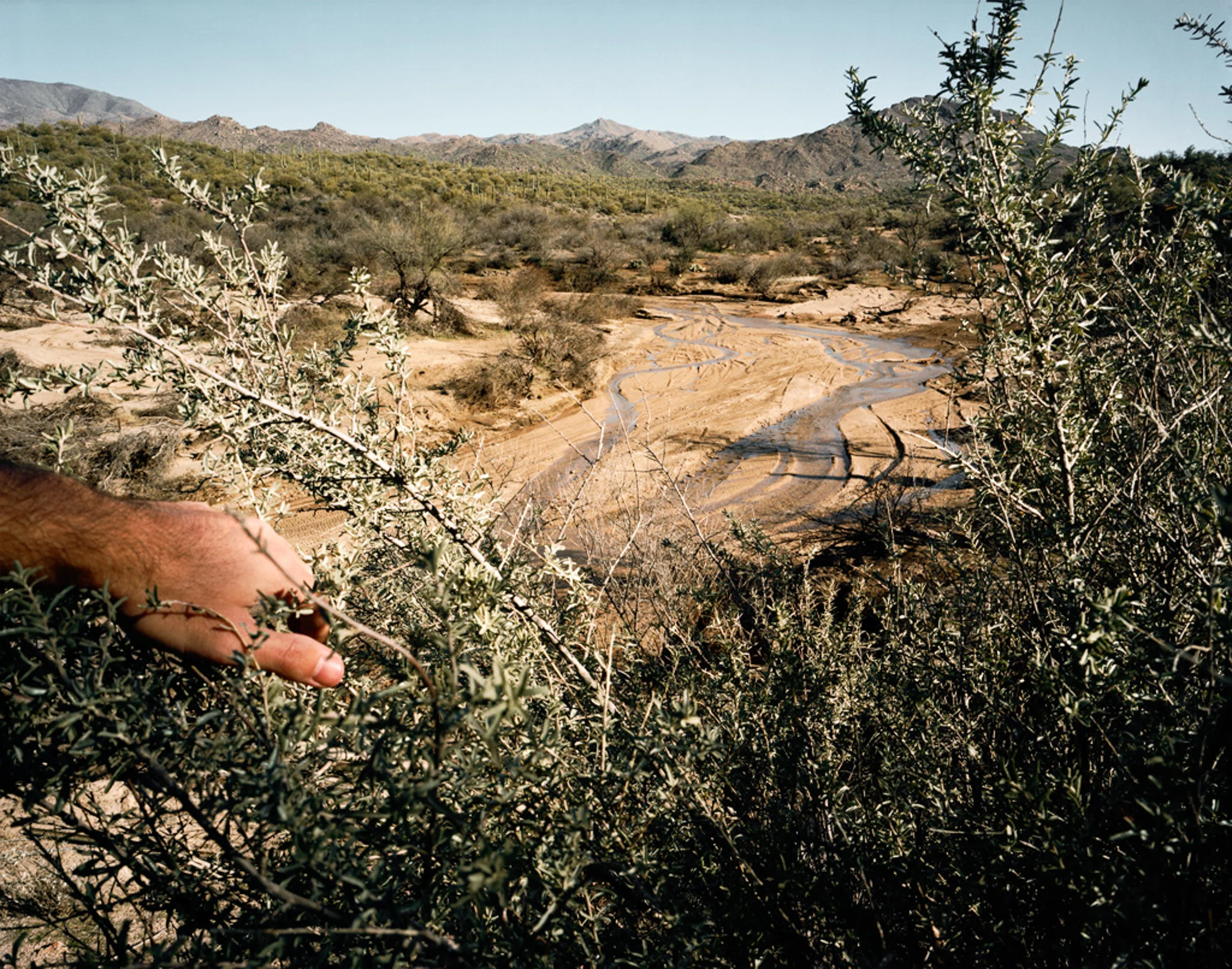
This body of work traces the river corridors that cut north from the U.S.–Mexico border into central Arizona, focusing on the Colorado, San Pedro, and Santa Cruz rivers as living systems shaped by ecology, history, and human movement. Photographed along these waterways, the project observes riparian plant and animal life alongside sites of recreation, erosion, and abandonment, while acknowledging the rivers’ quieter role as informal navigational routes for migrants traveling on foot. Drawing on knowledge of river ecology and border history—including paths connected to the historic El Camino del Diablo within the Barry Goldwater Bombing Range—the work frames the rivers as layered landscapes where natural processes, survival, and political boundaries intersect, revealing how movement through this landscape is both ancient and urgently contemporary. 2008-2010